

A bloke in a Maryborough pub said the quiet part out loud.
„You just want the money in fast, mate.“
He leaned across the sticky table and watched the screen glow.
Players searching for popular online pokies AUD top rapid deposit often miss the maths underneath the flash.
Your bankroll is a finite resource, not a bottomless beer cooler.
Treat every deposit like a budget, not a promise.
The screen lights up like a Carnaby Street sign, but the numbers tell the real story.
What speed really buys you
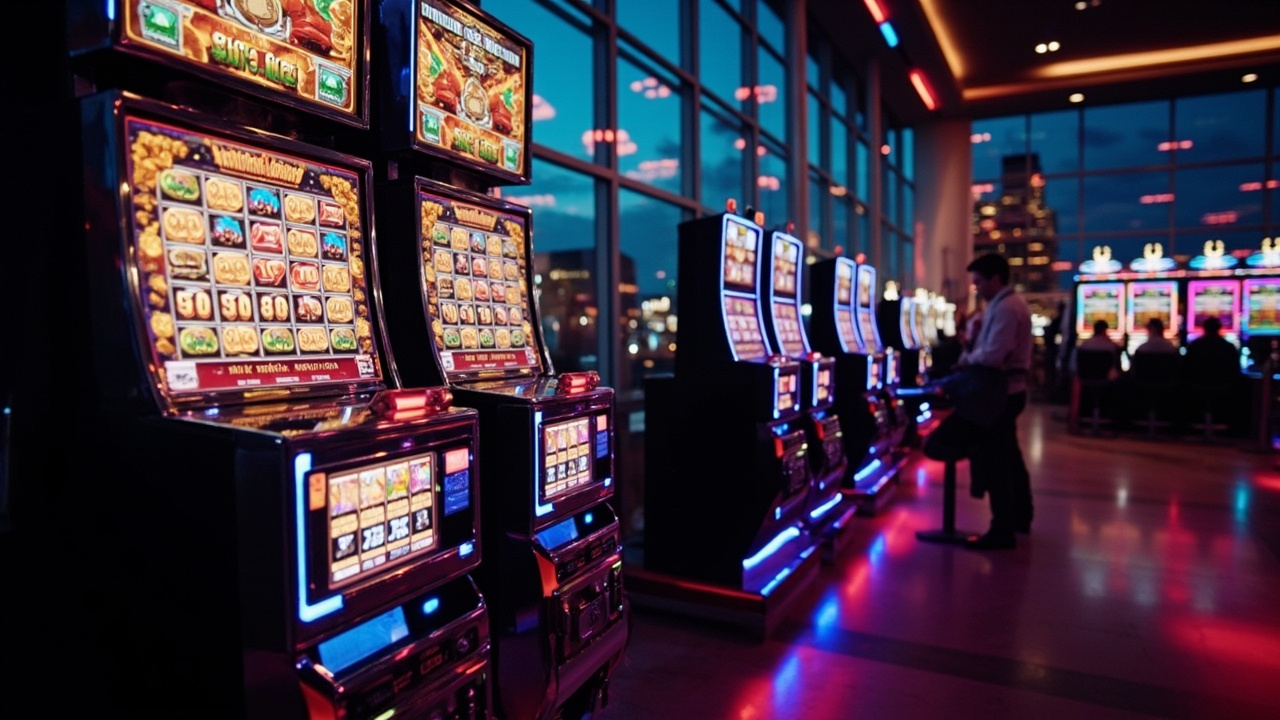
Rapid funding sounds like a convenience and nothing more.
It is also a behavioural nudge.
A fast path from wallet to wager shortens the pause where most people reconsider.
I have modelled games where the deposit friction was the only thing saving a session from going sideways.
You should treat speed as a feature to manage, not a virtue to celebrate.
Say you transfer fifty dollars and the credits appear before you have finished uncapping your drink.
That immediacy changes how you size your next bet.
The machine does not care how fast the money arrived.
Your staking plan should care a great deal.
| Factor | Mobile play | Desktop play |
|---|---|---|
| Session length | Short bursts between chores | Longer, planned blocks |
| Deposit friction | One-tap wallets, fewer steps | Manual entry, more pause |
| Attention drain | Higher distraction risk | Easier to track limits |
| When to stop | Set a timer before you tap | Use a visible clock on screen |
That comparison is blunt on purpose.
Mobile convenience often means you play in fragments and forget the fragments add up.
Desktop usually forces a chair, a desk and a clearer view of the clock.
If you are hunting for popular online pokies AUD top rapid deposit, the device you choose changes your loss limit more than the game does.
Pick the setup that makes stopping easier, not the one that makes starting faster.
A chat with the person who builds these games
I asked a game designer over a flat white in Townsville why so many titles feel so similar.
He wiped foam from his lip and answered without looking up.
„The art sells the first spin, but the paytable keeps the second player.“
He meant the visible maths, the hit frequency and the way a bonus round pays back over time.
You can spot a durable game by checking whether the bonus trigger feels earned or merely frequent.
A cheap-looking symbol set with honest pacing will outlast a glossy pack with a hollow core.
That is the sort of thing I look for when a studio asks me to audit a build.
You should look for it too, especially when the deposit screen is begging you to hurry.
Set your session budget before you tap
Decide the ceiling while you are sober and not holding a loaded card.
Write the number down if you have to, or set a phone alarm for the end of the session.
A sensible first-timer session often sits in the tens of dollars, not the hundreds.
Say you deposit fifty dollars and you treat that as the entire cost of entertainment for the evening.
When the balance hits zero, the session ends, not the next deposit.
If you are chasing a bonus round that has not triggered, the budget is your only honest friend.
The machine will not remind you to stop, so you have to do it yourself.
How staking shapes the whole night
Your bet size controls how long a bankroll survives a dry run.
Smaller stakes stretch the play and give probability more time to do its work.
Larger stakes compress the experience into a handful of outcomes and a faster exit.
I have seen players burn through a session budget in minutes because every spin carried too much weight.
The fix is boring and it works.
Match your stake to the session budget, not to the size of the screen or the sound of a near miss.
A steady line of smaller bets is usually better than a few loud swings.
Loss limits are the part nobody wants to read
A loss limit is a number you agree to before the first spin lands.
It is also the line that separates a paid evening from a costly one.
Set it as a hard stop, not a soft suggestion you can negotiate with yourself.
If your limit is fifty dollars and the balance hits that mark, close the tab.
You can always come back tomorrow, though you probably should not if the mood is sour.
The best loss limit is one you actually obey when the room goes quiet.
Anything else is just theatre.
Reading a paytable without the marketing gloss
Open the paytable and look for the symbols that actually pay, not the ones that sparkle.
Check the bonus trigger conditions and note how many spins they usually demand.
A game with a clear paytable and a readable bonus rule is easier to judge than one that hides the maths behind animations.
I judge a title by whether I can explain its main loop to a friend in one minute.
If I cannot, the game is asking for trust instead of giving information.
You should want information, especially when real money is moving.
The paytable is not decoration, it is the contract.
Picking a setup you can actually stop using
Choose the environment that makes limits visible and friction useful.
Keep the device on a surface where you can see a clock, not in a hand that wanders.
If you need a neighbourly second opinion on presentation or setup, a community space like a Aussie makeup thread on Reddit can be a surprising place to compare attention habits, though the advice there is about cosmetics, not credits.
The point is to borrow the discipline from any hobby where you watch your spend.
A tidy setup beats a rushed one every time.
If you want a quiet benchmark for a clean, uncluttered layout, https://littlefairyfashion.com/ is the sort of site that keeps its own house in order.
Apply that same standard to your play space and your deposit habits.
When the workspace stays anchored to a shared rhythm, small delays stop feeling like failures and start reading as useful data. You can watch how a simple routine accumulates its own shape by checking how Australian creators stage their setups. Treat the visible clock as a quiet partner that turns friction into a steady pace.
A short checklist before you fund anything
- Decide the session budget and write the number where you can see it.
- Choose a stake that lets the budget last a realistic block of time.
- Set a loss limit and treat it as a hard stop, not a guideline.
- Pick the device and room that make stopping easiest, not fastest.
- Close the session when the limit is reached, before the next impulse arrives.